
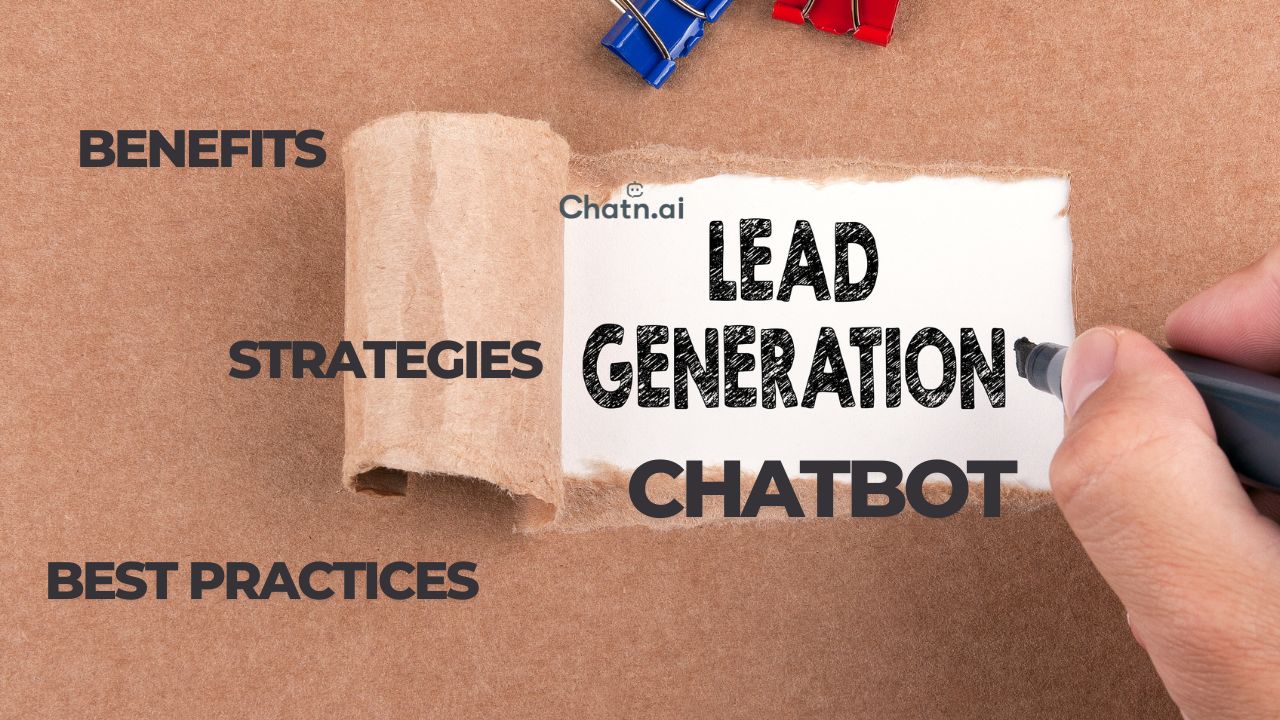
Effective lead generation is critical for business growth, but traditional methods can be time-consuming and inefficient. Lead generation chatbot offer a faster, smarter way to engage potential customers and collect valuable information. These AI-driven tools work around the clock, providing personalized interactions that capture leads and guide them through the sales process. In this blog, we’ll explore the benefits of lead generation chatbots, proven strategies for their implementation, and best practices to maximize their impact. Let’s uncover how these solutions can streamline your lead generation efforts and drive better results.
What is a Lead Generation Chatbot?
A lead generation chatbot is an AI-powered virtual assistant designed to interact with website visitors, collect valuable information, and qualify them as potential leads. Unlike generic chatbots focused on answering basic queries, lead generation chatbots are purpose-built to streamline the lead capture process and guide prospects through the initial stages of the sales funnel.
These chatbots automate repetitive tasks such as gathering names, email addresses, phone numbers, and specific preferences or requirements. By doing so, they reduce the need for manual data entry and ensure no potential lead is overlooked. Their ability to provide instant responses creates a smoother, more engaging experience for users, significantly improving lead conversion rates.
For example, instead of relying on static forms or delayed email exchanges, a lead generation chatbot can greet a visitor, ask relevant pre-qualifying questions, and deliver personalized recommendations in real time. Whether a user is browsing for products or considering a service, the chatbot captures critical details, helping sales and marketing teams focus on nurturing high-quality leads.
Lead generation chatbots are invaluable for businesses aiming to maximize efficiency and improve user engagement. They not only enhance the customer experience but also empower teams with actionable insights to drive better results.
Why Use Chatbots for Lead Generation?
Lead generation chatbots have transformed how businesses attract and qualify potential customers. By leveraging automation and AI, they deliver unparalleled efficiency and engagement. Let’s explore their key benefits:
Key Benefits of a Lead Generation Chatbot
1. 24/7 Availability
In today’s fast-paced digital world, customers expect instant answers—whether it’s 2 p.m. or 2 a.m.
That’s where smart chatbots truly shine.
Unlike human agents tied to traditional business hours, AI-powered chatbots never clock out. They’re available 24/7, ready to engage with anyone who visits your website—day or night, weekday or weekend. Whether someone’s browsing late at night or needs quick help during a lunch break, your business stays responsive and present.
This kind of round-the-clock availability does more than just answer questions. It keeps the door open for new opportunities.
Every interaction your chatbot handles—whether it’s booking a demo, capturing a lead, or guiding someone to the right product—boosts your chances of turning interest into action. No more losing potential customers just because no one was online to respond.
Even better? While your team rests, your chatbot works—seamlessly capturing leads, qualifying inquiries, and delivering helpful information in real time.
The result? More satisfied prospects, faster responses, and a better overall digital experience—all without adding to your team’s workload.
In a world where responsiveness builds trust, being available 24/7 isn’t just convenient—it’s a competitive edge.
2. Instant Lead Qualification
Every second counts when it comes to turning interest into action. The longer you wait to respond, the more likely a prospect will move on to a competitor.
That’s why instant lead qualification matters—and chatbots are built for it.
As soon as a visitor lands on your site, your chatbot can begin a natural, friendly conversation. It gathers key details like their name, contact information, company, goals, and preferences—all in real time. No long forms. No waiting.
This isn’t just data collection—it’s intelligent conversation.
By the time your sales team gets the lead, they already know who they’re dealing with and what the person needs. That means less time spent chasing unqualified prospects and more time focused on the right opportunities.
Even better? High-value leads can be flagged instantly, triggering notifications or workflows that ensure timely follow-up. Your team spends less time sorting through noise and more time closing deals.
The result is a smoother, faster sales funnel—with higher conversion potential and less guesswork.
In short, chatbots don’t just collect leads—they qualify them, organize them, and help your team act on them faster. It’s like giving your sales engine a head start—without burning out your human team.
3. Effortless Scalability
As your business grows, so does your website traffic—and with it, the demand for quick, high-quality engagement. But here’s the challenge: scaling human support to meet rising demand is expensive, time-consuming, and often unsustainable.
That’s where chatbots deliver a clear advantage.
Unlike human teams that can only handle one conversation at a time, AI-powered chatbots can manage thousands of interactions simultaneously—without ever missing a beat. Whether you have 10 visitors or 10,000, your chatbot responds instantly, consistently, and accurately.
There’s no drop in quality. No long wait times. No overwhelmed staff.
This kind of scalability is a game-changer, especially for businesses running campaigns, launching new products, or navigating seasonal spikes in traffic. Your chatbot adjusts in real time—meeting every visitor with the same attention and professionalism, regardless of volume.
Even better? You don’t need to hire, train, or schedule extra staff to keep up. The chatbot grows with your business automatically, giving you enterprise-level support without enterprise-level overhead.
The result is a seamless experience for your customers—and a stress-free one for your team.
In a world where customer expectations are high and patience is low, scalable engagement isn’t a luxury—it’s a necessity. And with the right chatbot, it’s effortless.
4. Tailored User Experiences
In today’s digital world, personalization isn’t just a nice-to-have—it’s what users expect. People don’t want generic answers or one-size-fits-all interactions. They want to feel understood. That’s exactly where AI-powered chatbots shine.
From the moment a visitor lands on your website, your chatbot begins learning. It tracks behavior, pages visited, past interactions, and even the time of day—all to build a clearer picture of what each user needs.
Then, it uses that insight to deliver personalized conversations in real time.
Instead of offering the same script to everyone, the chatbot adapts. It can greet returning visitors by name, suggest products based on browsing history, or guide users to helpful content that matches their goals. This kind of tailored engagement creates a sense of value—and that builds trust.
When customers feel seen and supported, they’re far more likely to stick around, engage, and convert.
Even better? These personalized experiences happen at scale, without adding to your team’s workload. Your chatbot makes every visitor feel like a VIP, no matter how many are on your site.
The end result? A deeper connection with your audience, higher satisfaction, and a noticeable boost in conversions—all powered by smart, adaptive AI.
Strategies for Implementing Lead Generation Chatbots
Implementing a lead generation chatbot isn’t just about adding a widget to your website—it requires a thoughtful, strategic approach to truly deliver results. Start by defining clear goals: whether it’s capturing contact details, qualifying leads, or booking demos, your chatbot should be designed with purpose. Next, map out the user journey so conversations feel natural and helpful rather than scripted or robotic. Integrate the chatbot with your CRM or email system to ensure no lead falls through the cracks. Test and refine its responses regularly based on real user behavior and feedback. Most importantly, keep the tone friendly and human-like to make users feel comfortable sharing their information. With the right strategy, your chatbot becomes more than just a tool—it becomes a powerful extension of your sales team.
1. Define Clear Objectives
Before you launch your chatbot, it’s essential to define exactly what you want it to achieve. Are you looking to collect email addresses, book appointments, qualify leads, or guide users toward a product or service? Clear objectives not only shape the chatbot’s tone and script but also determine its flow, features, and integrations. Without specific goals, your chatbot risks becoming a passive tool rather than a strategic asset. By setting focused, measurable outcomes from the start, you ensure that every interaction moves users closer to your desired result—making your chatbot a purposeful, results-driven part of your customer journey.
2. Design an Optimized Conversation Flow
To create a chatbot that truly connects with users, you need to design a conversation flow that feels effortless and human. Start by using clear, friendly language that mirrors how real people talk—no jargon, no robotic phrasing. Keep your messages short and to the point, and resist the urge to ask too many questions at once, which can quickly overwhelm users. Instead, guide them step by step through a natural interaction, offering simple choices or prompts that make it easy to respond. When your chatbot feels more like a helpful guide than a form, users are far more likely to stay engaged, share information, and move confidently through your lead funnel.
3. Leverage Targeted Prompts
To spark meaningful interactions, it’s crucial to place your chatbot exactly where your visitors are most engaged—think high-traffic landing pages, product detail sections, or even relevant blog posts. But placement alone isn’t enough. You also need to grab attention with the right message. Use warm, inviting prompts like, “Need help finding the right product?” or “Looking for a quick answer? Let’s chat!” These targeted nudges act like a friendly tap on the shoulder, encouraging users to interact without feeling pressured. By meeting visitors where they are and speaking directly to their intent, you make it easy for them to take that first step—and much more likely they’ll stay in the conversation.
To get the most out of your chatbot, make sure it’s fully integrated with your CRM and marketing tools. This connection transforms your chatbot from a simple engagement tool into a powerful lead-generation engine. As it collects valuable data—like contact details, preferences, and behaviors—it can automatically feed that information into your CRM in real time. Your team no longer has to chase down details or manually enter data; instead, they can instantly access complete lead profiles, tailor their outreach, and follow up with perfect timing. This seamless integration not only saves time but also ensures that every lead is nurtured with relevance, context, and care—turning more conversations into conversions.
Continuous improvement is key to chatbot success. Conduct A/B testing to refine conversation scripts, monitor key performance indicators (KPIs) such as response rates and lead quality, and use data-driven insights to optimize your chatbot for maximum ROI.
Best Practices for Lead Generation Chatbots
To maximize the effectiveness of your lead generation chatbots, it’s important to follow best practices that ensure a seamless user experience and foster trust. Here are key strategies to implement:
1. Be Transparent About the Chatbot’s Role
Honesty is key to building trust. Let users know upfront that they’re interacting with a chatbot, not a human. Phrases like, “Hi! I’m your virtual assistant here to help,” set clear expectations and avoid potential frustration. Transparency also allows users to engage confidently, knowing what to expect from the interaction.
2. Offer Incentives for Engagement
Motivate users to share their information by providing something of value in return. This could include discounts, exclusive content, free trials, or resources like e-books or whitepapers. For instance, a chatbot can prompt: “Sign up now to receive a free e-book on the latest industry trends!” Incentives not only encourage engagement but also enhance the perceived value of the interaction.
3. Keep Forms Short and Simple
Avoid overwhelming users with lengthy or complex forms. Focus on collecting only essential information, such as name, email address, and one or two preferences. Streamlining the process improves user experience and reduces the likelihood of drop-offs. Use chatbot logic to gather more information gradually, maintaining a conversational and engaging tone.
4. Ensure Compliance with Privacy Regulations
Adhere to data privacy laws like GDPR, CCPA, or other regional regulations. Clearly inform users about how their data will be used and stored. Incorporate visible opt-in options, such as checkboxes for consent, and provide users with the ability to manage or delete their data. A statement like, “Your privacy is important to us—here’s how we protect your data,” can build trust while ensuring compliance.
5. Monitor and Improve Performance
Regularly evaluate how well your chatbot performs. Use analytics to measure key metrics such as engagement rates, lead quality, and user feedback. Conduct A/B testing to experiment with different prompts, conversation flows, or incentives. Continuously refine your chatbot to ensure it remains effective and user-friendly over time.
6. Personalize User Interactions
Leverage AI and data to make conversations more personalized. For example, greet returning users by name or recommend solutions based on their previous interactions. Personalization makes users feel valued and significantly boosts engagement and conversion rates.
Real-World Examples of Lead Generation Chatbots in Action
Lead generation chatbots have proven to be game-changers across various industries. Let’s explore how different businesses leveraged chatbots to achieve impressive results:
Case Study 1: Boosting Demo Bookings for a SaaS Company
A SaaS provider integrated a chatbot to streamline its demo scheduling process. By engaging visitors immediately and guiding them through an intuitive booking flow, the chatbot increased product demo appointments by an impressive 40% within three months. This automation not only enhanced user convenience but also freed up the sales team to focus on high-value leads.
Case Study 2: Driving Email Signups for an E-Commerce Store
An online retailer implemented a chatbot to provide personalized product recommendations based on customer preferences. In exchange for an email signup, the chatbot offered discounts and exclusive deals tailored to the user’s interests. This strategy led to a 60% increase in email signups, significantly growing their marketing list while enhancing customer satisfaction.
Case Study 3: Enhancing Lead Quality for a B2B Enterprise
A B2B company integrated a chatbot to engage website visitors and collect critical information for lead qualification. The chatbot reduced the average lead response time by 70%, ensuring faster follow-ups and a more streamlined sales process. As a result, the company saw a noticeable improvement in lead quality and conversion rates.
Future Trends in Lead Generation Chatbots
The evolution of lead generation chatbots continues to reshape how businesses interact with potential customers. As technology advances, here are the key trends set to define the future:
1. AI-Driven Personalization
Chatbots are becoming smarter and more intuitive, thanks to advancements in AI and machine learning. These technologies enable chatbots to analyze user behavior, preferences, and past interactions in real time, offering even more personalized experiences. For example, a chatbot can recommend specific products or services based on a user’s browsing history or purchase patterns. This level of customization makes users feel understood and valued, significantly boosting engagement and conversion rates.
2. Voice-Enabled Chatbots
As voice technology grows in popularity with tools like Alexa, Siri, and Google Assistant, voice-enabled chatbots are becoming a natural extension for businesses. These chatbots allow users to engage hands-free, making interactions faster and more convenient. Imagine a prospective customer asking a chatbot, “What’s the best product for me?” and receiving a voice response tailored to their needs. This trend is especially impactful for industries like retail, travel, and healthcare, where quick, accessible communication is essential.
3. Predictive Analytics for Proactive Engagement
Future chatbots won’t just respond to user inquiries—they’ll anticipate them. By leveraging predictive analytics, chatbots can analyze vast amounts of data to foresee user needs and offer proactive solutions. For instance, a chatbot on an e-commerce site might detect when a user is likely to abandon their cart and offer an exclusive discount in real time to encourage checkout. Similarly, in a B2B setting, chatbots could suggest relevant content or schedule follow-ups based on a lead’s engagement history.
4. Integration with Omnichannel Strategies
The future of chatbots lies in seamless integration across multiple platforms, from websites and apps to social media and messaging services. Users expect a consistent experience regardless of the channel they choose, and chatbots will play a crucial role in unifying these interactions. This trend ensures businesses maintain a cohesive brand presence and reach customers wherever they are.
5. Advanced Natural Language Processing (NLP)
Enhanced NLP capabilities will enable chatbots to better understand context, tone, and even emotions in user queries. This advancement will make conversations feel more human-like and empathetic. For example, a chatbot could detect frustration in a customer’s tone and adapt its responses to provide more empathetic and helpful solutions, enhancing overall user satisfaction.
Conclusion
Lead generation chatbots are transforming the way businesses capture and convert leads. By implementing the strategies and best practices outlined above, you can maximize their potential to drive growth and streamline your sales funnel. Ready to take your lead generation efforts to the next level? Explore Chatn.ai’s advanced chatbot solutions today.
“Discover how Chatn.ai’s cutting-edge lead generation chatbots can revolutionize your business. Get Started Today!”