
Introduction
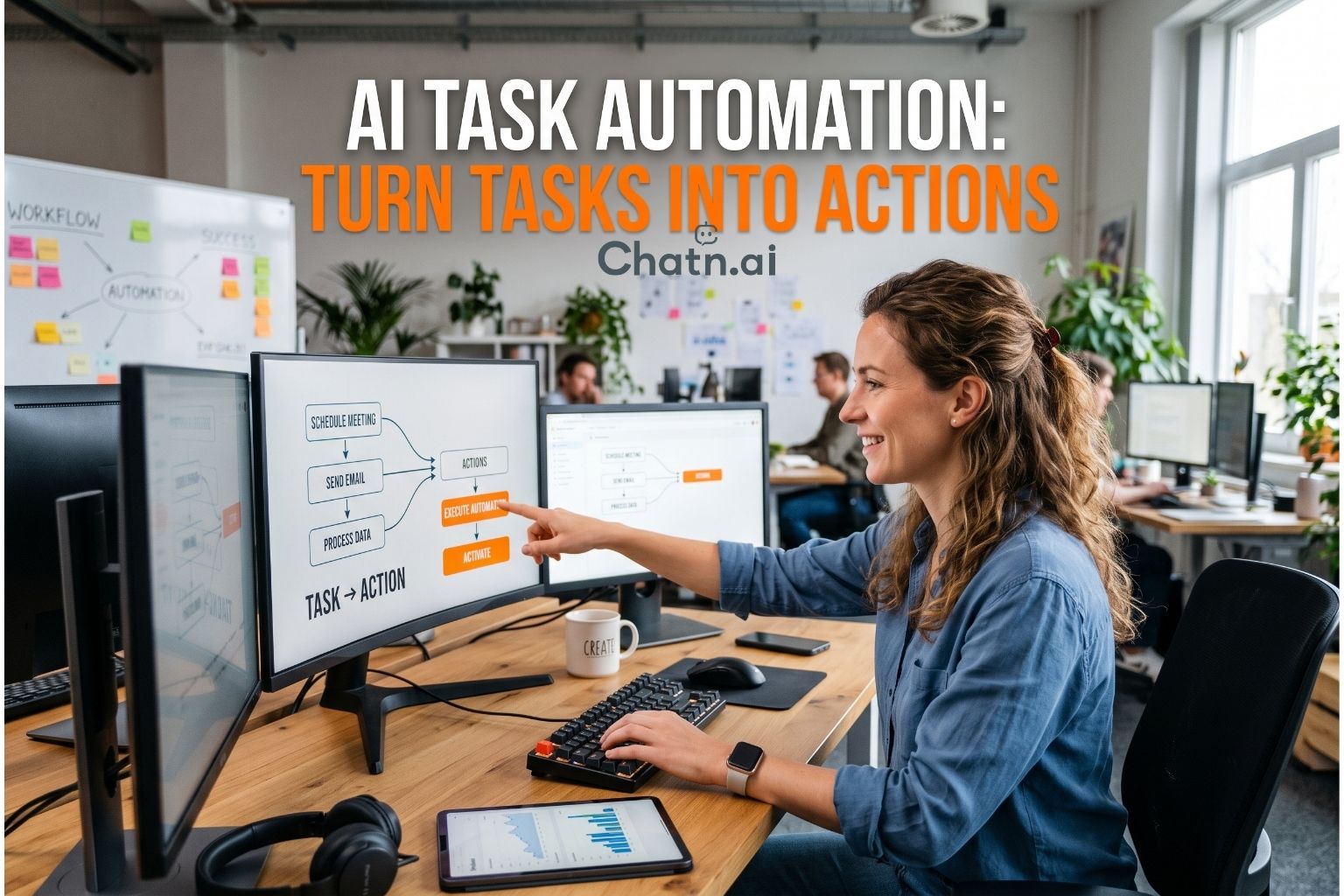
Efficient processes are essential for delivering strong customer experiences. As companies expand, workflows often become more complex, forcing teams to switch between applications, manage communications, and transfer data manually. These disconnected processes waste time and increase the risk of errors. AI Workflow provides a smarter solution by integrating business processes, people, and systems, rather than simply automating repetitive tasks. This approach reduces delays, streamlines decision-making, and supports seamless customer experiences by connecting the work that drives them. Today’s customers expect fast, personalized service across all channels. To meet these expectations, companies need smart workflows that coordinate conversations, initiate actions, and deliver relevant data quickly. Unlike fragmented software, AI workflow automation manages the entire customer journey, ensuring every interaction is faster, smarter, and more connected, from responding to inquiries to updating records and notifying the appropriate teams.
Where AI Workflow Creates the Biggest Business Impact
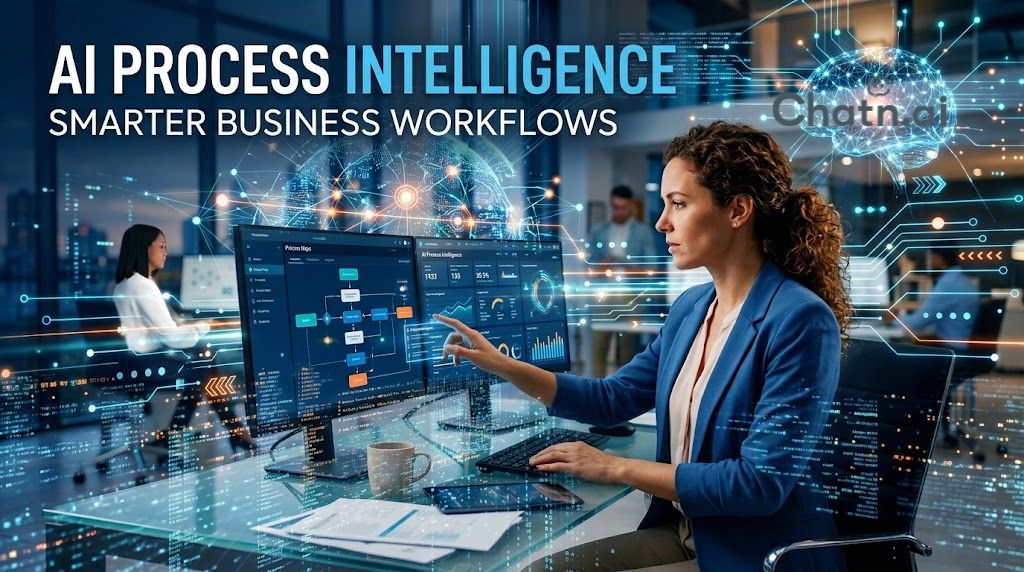
AI Workflow enhances the entire workflow, not just specific tasks. It unites teams, systems, and customer interactions within a single intelligent process, helping each department work more efficiently and deliver consistent service to customers. It also eliminates communication gaps by keeping information accurate, available, and up to date. Employees collaborate through automated workflows and tools that streamline communication and accelerate decision-making. This helps teams save time, boost productivity, and adapt to changing business requirements.
Customer Support
Customer support teams receive a high volume of queries daily. Manual ticket routing and information searches are often slow and inefficient. AI Workflow streamlines these processes by responding to common questions instantly, escalating complex requests when needed, and supplying agents with relevant customer data before they reply. This allows agents to resolve issues more quickly and deliver personalized service. Customers benefit from prompt assistance, while support teams can handle more conversations and improve overall service quality.
Sales
Sales teams spend a lot of time on repetitive administrative work. They update customer records, schedule appointments, and manually follow up with prospects, for instance. This means they have less time to focus on selling and on creating successful relationships with customers. Luckily, an AI workflow automation platform automates these tasks by executing repetitive workflows. Besides that, it can also qualify leads, update the CRM, assign opportunities, and remind sales reps of necessary follow-ups. This means sales teams can respond to prospects more quickly, reduce manual work, and work more productively. More significantly, salespeople can spend more time building relationships, closing sales, and growing their businesses for the long haul.
Marketing
Timely and meaningful customer engagement is essential to marketing success. Campaigns can become manageable across these various channels; however, as customers engage with multiple channels, it can quickly become overwhelming. Fortunately, AI Workflow makes these processes easy, automates lead nurturing, segments audiences by behavior, and sends them the right message at the right time. Moreover, it allows marketing teams to engage with customers in real time, ensuring every interaction is relevant and timely. This allows marketers to tailor their campaigns, engage customers more effectively, and boost conversion rates. In the end, the combination of these strategies boosts the campaign’s effectiveness, ensures efficient use of marketing efforts, and provides a seamless customer journey.

Benefits of AI Workflow Beyond Automation
Many businesses adopt AI Workflow to save time. However, its value extends far beyond automation alone.
Faster Decision-Making
AI can process data as soon as it becomes available. Consequently, when appropriate, workflows progress without extra delays or manual reviews. Furthermore, AI offers real-time insights and recommendations, allowing workers to make informed choices about their situations. This enables teams to make informed decisions more quickly, react to the evolving needs of the business, and maintain business momentum. In short, this intelligent decision-making process enhances efficiency, eliminates bottlenecks, and optimizes business results for organizations.
Consistent Customer Experiences
Consumers want services to be consistent, no matter how they contact a company. Thus, organizations should provide uniform, individualized experiences across all communications. AI Workflow does this by making processes and interactions flexible to meet customer needs. Moreover, it ensures that employees and AI systems have accurate information throughout interactions. This way, customers can enjoy timely, unified, and tailored customer service. Businesses can build customer trust, enhance satisfaction, and foster loyalty at each touchpoint.
Higher Employee Productivity
Employees often spend significant time on repetitive administrative tasks with limited strategic value. AI workflows automate these tasks and streamline daily processes, allowing staff to focus on high-priority projects. This shift helps teams tackle complex issues, collaborate more effectively, and enhance customer experiences. As a result, organizations improve productivity, employee satisfaction, and resource efficiency.
Common AI Workflow Mistakes Businesses Make
AI workflows offer significant benefits, but organizations must implement them strategically for lasting success. Many businesses make avoidable mistakes that diminish the value of automation. A common mistake is automating inefficient processes without first improving them. This accelerates ineffective tasks instead of addressing root problems. Organizations should optimize workflows before introducing AI. Neglecting employee adoption is another frequent mistake. Even the most advanced workflow will not deliver results if employees do not understand how to use it. Businesses should train employees and encourage adoption from the outset. Some organizations fail to connect existing systems, leaving applications isolated and limiting information flow between departments. This often forces employees to continue manual tasks despite automation. They also overlook performance measurement. Without tracking workflow performance, they cannot identify bottlenecks, find improvement opportunities, or demonstrate business value. Therefore, organizations should monitor key metrics and refine workflows to maximize efficiency and long-term success.
Best Practices for Building an Effective AI Workflow
A successful AI workflow requires a clear strategy, not just advanced technology. Organizations should begin by identifying repetitive, time-consuming tasks suitable for automation, which delivers immediate efficiency gains. Integrating AI with existing systems enhances collaboration and streamlines data flow. It is important to involve employees in key decisions, using AI to automate routine tasks and provide intelligent recommendations, while staff focus on complex situations that require judgment and creativity. Organizations should also monitor workflow performance by tracking processing times, successful transactions, and errors to drive continuous improvement and eliminate bottlenecks. Chatn.ai supports intelligent workflow automation and conversational AI, connecting customer interactions, business systems, and employee actions. This approach increases productivity, strengthens collaboration, and improves customer experiences. Over time, AI workflows can adapt to evolving business needs, helping organizations operate more efficiently, responsively, and sustainably.
What Is AI Workflow?
AI Workflow is an intelligent process management approach that uses artificial intelligence to coordinate entire workflows. Unlike traditional automation, which manages individual tasks, it integrates conversations, business rules, systems, and people. Conventional automation follows predefined instructions and can, for example, send automated emails when a customer submits a form. However, it cannot effectively handle unexpected situations.
In contrast, AI Workflow adds intelligence to each step. It identifies customer intent, analyzes data, makes recommendations, and initiates the appropriate business process. As a result, workflows become more flexible, efficient, and accurate. For example, if a customer asks a question through your website chat, the AI Workflow responds, identifies the client’s needs, gathers information, qualifies the lead, updates the CRM, notifies the sales team, and schedules a meeting. This coordination unifies separate tasks into a complete business process, allowing employees to focus on client communication rather than administrative work.
Traditional Workflow vs AI Workflow
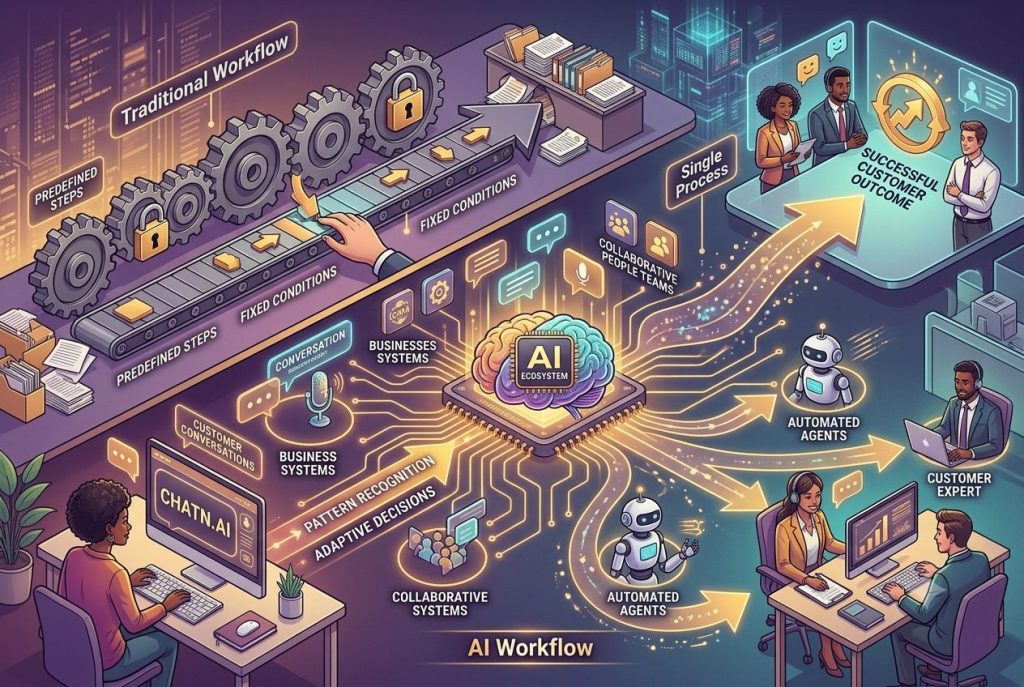
Currently, many companies have already implemented workflow automation. Nevertheless, mere automation is no longer sufficient to meet contemporary business needs. Understanding the differences between traditional and AI workflows helps clarify the importance of intelligent automation for businesses. In a traditional workflow, the sequence of actions is strictly preplanned. Certain conditions must be met for each following step to occur. In the event of any deviations from the usual scenario, employees often have to intervene manually. Therefore, the frequent occurrence of delays becomes an integral part of a process, especially when several departments or systems are involved. The AI Workflow works differently. Artificial Intelligence technology is integrated with the automation of business processes to make decisions based on current situations. Thus, it recognizes patterns, understands communication, and decides which step to take, considering all available information. For instance, a traditional workflow assigns all customers’ queries to the same support group. AI Workflow analyses the customer’s message, assesses its urgency, identifies the subject, sends the query to the right specialist, and notifies the customer instantly. This way, the time required to solve a customer’s issue is reduced, and employees operate more effectively.
How Chatn.ai Powers Intelligent AI Workflow
An efficient AI Workflow involves more than just automation. Instead, what is required is a system that connects conversations, business systems, and people together in an intelligent ecosystem. Chatn.ai achieves this by serving as your business’s communication center. This includes understanding customer intent, responding naturally, and triggering the next stage in the workflow. For instance, it could involve qualifying leads, updating CRM data, alerting salespeople, and scheduling appointments all in an automated way. In such a scenario, customers receive their services faster while reducing the effort required of employees. Not only does Chatn.ai connect CRM applications, knowledge databases, ticketing software, and collaboration tools to ensure data flow within your company, but it also integrates without replacing employees by simply automating repetitive tasks and routing complex conversations to the relevant people.
The Future of AI Workflow
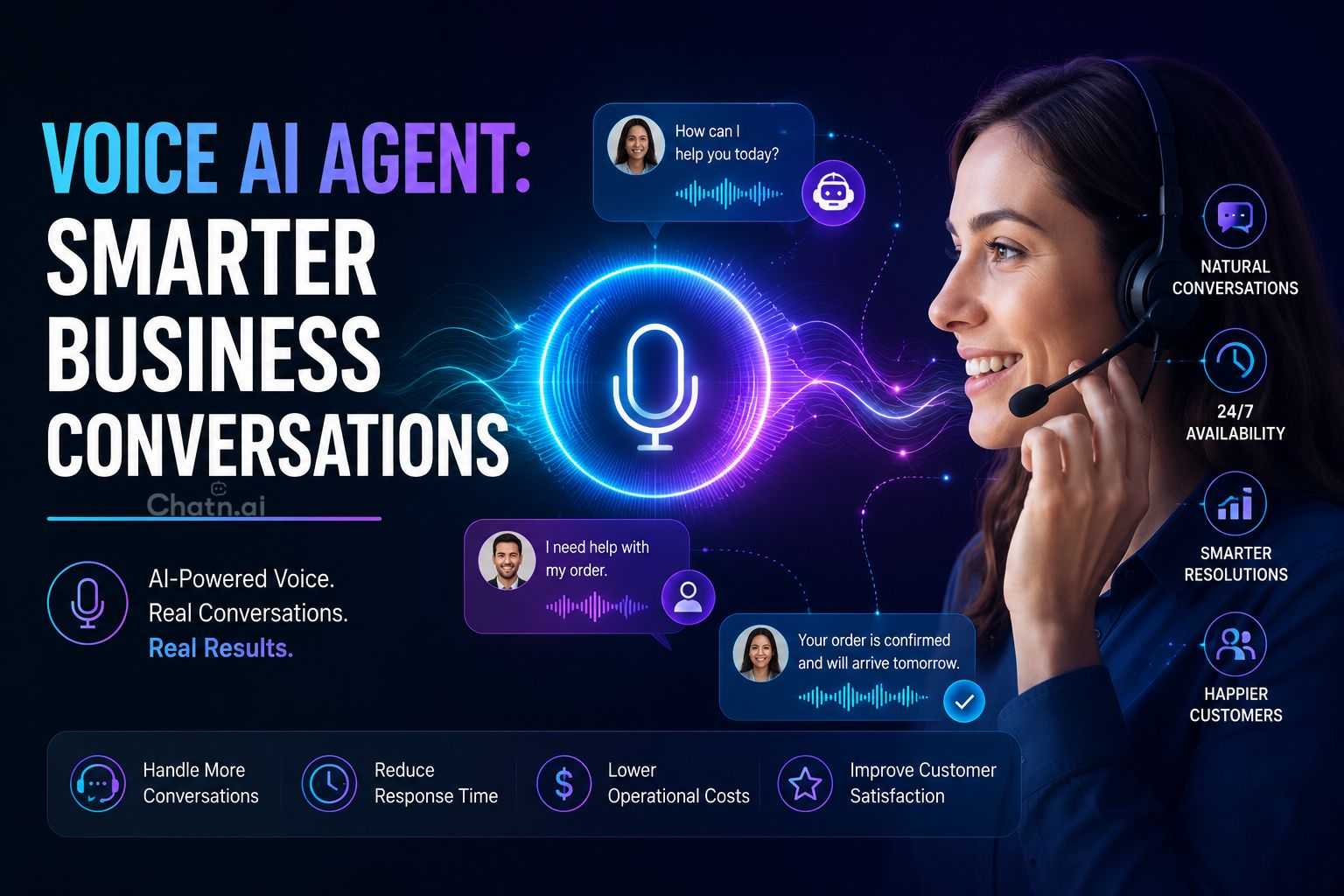
AI Workflow is expected to grow further with the development of more advanced and easily accessible forms of artificial intelligence. Thus, the companies that decide to implement this technology today will be ready for the future of the digital world. The first key trend is the emergence of Voice AI Agents, which provide a conversational experience and immediate response times while handling a wide range of automated calls, appointments, and service requests. In addition, autonomous AI agents will control entire workflows and collaborate with employees on complex tasks. At the same time, predictive intelligence will assist organizations in finding possible problem areas, offering preventive solutions, and even automatically taking necessary actions to prevent problems from arising in the future. Moreover, AI Workflow will use customers’ preferences, past interactions, and behavior to provide an extremely personalized experience across all touchpoints.
Conclusion
In today’s era, modern enterprises cannot rely on fragmented systems and manual processes to meet their customers’ growing demands. They require an AI Workflow that connects conversations, people, and technology as a single experience. In addition, organizations leverage AI workflows to automate entire processes, increase collaboration, speed up decision-making, and decrease operational complexity. Furthermore, employees benefit from AI workflows through the automation of repetitive processes and the generation of insights, helping them focus on their important jobs. As artificial intelligence evolves, intelligent workflows will be required for future success. Chatn.ai assists enterprises in achieving that goal through integrating conversational AI, intelligent automation, and seamless integrations in a single unified platform. Ultimately, organizations benefit from improved productivity, streamlined operations, and consistent customer experiences across all touchpoints. Organizations adopting an AI Workflow solution with Chatn.ai would work more effectively and efficiently in the future.