
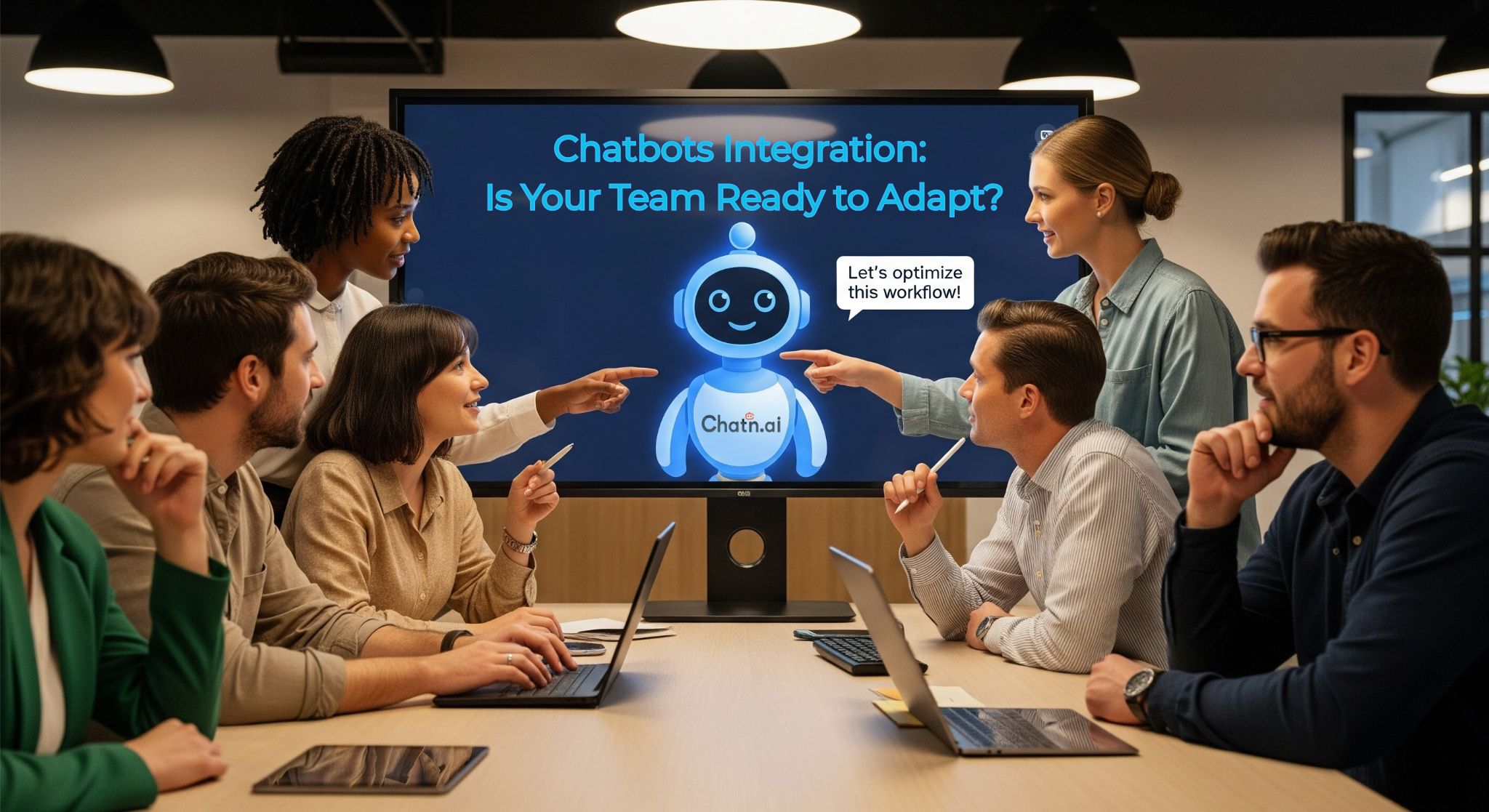
Introduction: Chatbots Integration Is the Shift You Can’t Ignore
The need for chatbots integration is rapidly growing across industries. As businesses embrace AI-powered technologies, they must quickly prepare their teams to adapt. Modern chatbots go far beyond answering questions—they streamline operations, accelerate internal tasks, and enhance the overall customer experience.
However, effective integration isn’t instant. It requires a clear strategy, team coordination, proper training, and the right tech stack. Without these elements, businesses risk wasting resources and creating internal friction.
Moreover, in today’s competitive market, companies that fail to adapt will fall behind. Integrating AI chatbots is no longer a future goal—it’s a present necessity. Organizations that act now will gain a significant advantage in speed, efficiency, and customer satisfaction.
In this blog, we’ll break down what successful chatbot deployment looks like, how to prepare your team, and how intelligent platforms like Chatn.ai make digital transformation easier, smarter, and more scalable for modern businesses.
Why Chatbots Integration Is No Longer Optional
Digital transformation is no longer a future goal—it’s today’s reality. Every industry now feels the pressure to modernize, streamline operations, and deliver faster service. Customers expect instant replies, seamless experiences, and personalized communication across all channels. They won’t tolerate delays, confusion, or disjointed support.
As a result, businesses must evolve or risk becoming irrelevant. Traditional methods can’t keep up. Live agents alone can’t handle rising volumes, and outdated systems lack the speed and accuracy modern users demand.
That’s where chatbot integration becomes essential—not optional. AI-powered chatbots do more than automate replies. They empower teams, reduce operational costs, and significantly enhance customer experiences. When you integrate chatbots into existing workflows, your company becomes more agile, scalable, and competitive.
Put, adopting chatbots is no longer a convenience—it’s a strategic move for survival and sustainable growth in today’s digital-first economy. Embracing this shift now ensures you stay ahead rather than fall behind.
Rising Demand for 24/7 Support and Speed
Today’s customers expect instant service anytime, anywhere. Whether they face issues late at night or ask questions during lunch, they won’t wait. This growing demand for 24/7 support drives the rise of real-time assistance across industries.
Chatbots meet this need seamlessly. Unlike human agents, they don’t require breaks or shifts. They provide consistent, accurate responses—anytime customers reach out. By reducing wait times and keeping conversations moving, chatbots deliver the speed modern customers expect.
More importantly, fast support builds trust and prevents lost sales. In a fast-paced digital world, delays damage satisfaction and loyalty. Chatbots streamline problem-solving, ensure quick resolutions, and strengthen customer relationships.
Integrating chatbots into your support strategy guarantees round-the-clock availability. As a result, your business stays ahead of customer expectations and maintains a competitive edge—regardless of when users choose to connect.
Falling Behind Comes at a High Cost
Delaying chatbot adoption can lead to slower service, higher support costs, and lower customer satisfaction. In a market moving fast, waiting is losing.
The Real Challenges Behind Chatbots Integration
Despite the clear benefits, many businesses struggle with chatbot integration. The challenge isn’t just technical—it’s organizational. Legacy systems often lack flexibility, making it difficult and time-consuming to connect with modern AI tools. Effective integration requires APIs, workflow automation, and real-time data exchange, which many outdated platforms can’t support.
At the same time, teams may resist change. Without clear objectives and strong change management, employees can fear automation or feel uncertain about their roles. Additionally, departments like support, sales, IT, and HR often operate in silos, making cross-functional coordination difficult.
To succeed, companies must modernize their infrastructure, engage their teams, and break down internal silos. By aligning technology and people, businesses can fully unlock the power of AI chatbots. Only then can they drive meaningful transformation and gain lasting value from chatbot integration.
Signs Your Team Is (or Isn’t) Ready for Chatbots Integration
Before rolling out a chatbot, assess your team’s readiness. Otherwise, you risk wasting time and resources.
1. Openness to AI Tools
Are your employees curious about AI or skeptical of it? Openness to digital tools often signals higher adaptability.
2. Workflow Awareness
If your team documents and understands their workflows, integration becomes smoother. Chaos and undocumented processes create friction.
3. Communication Across Departments
Successful integration requires collaboration. If departments work together regularly, they’re more likely to support shared AI initiatives.

Use Cases: How Chatbots Integration Transforms Businesses
When done right, chatbots integration becomes a force multiplier across multiple departments.
Customer Support
AI chatbots provide instant answers, reduce ticket volume, and escalate only when needed. They create fast, consistent support experiences across channels.
Sales and Lead Capture
Chatbots qualify leads, answer pre-sales questions, and route potential clients to the right rep—all in real time.
HR and Internal Processes
Need help with onboarding, leave policies, or payroll FAQs? Internal bots reduce repetitive questions and free up HR for strategic tasks.
IT Helpdesk Automation
Chatbots handle password resets, common troubleshooting, and ticket creation—reducing IT workload and improving employee satisfaction.
How to Build a Chatbot Adoption Strategy That Works
Without a plan, chatbot integration is just noise. Here’s how to do it right.
Define Clear Business Goals
What problem should the chatbot solve? Define measurable outcomes—reduce support volume, increase lead conversions, or automate onboarding.
Choose the Right Integration Points
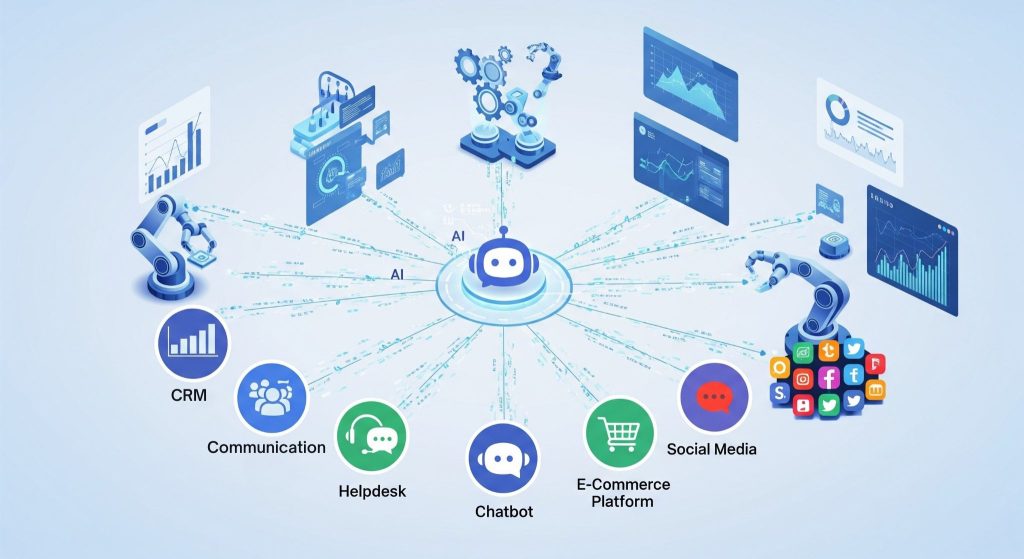
Connect your chatbot to your CRM, helpdesk, HRIS, or internal tools. Prioritize platforms where the bot adds immediate value.
Start Small, Then Scale
Run a pilot. Test with a small user group. Gather feedback. Refine workflows. Then roll out to the broader organization.
Measure and Improve
Track metrics like resolution time, engagement rate, and NPS. Adjust scripts, integrations, and automations based on data—not guesswork.
Tools That Simplify Chatbots Integration (Including Chatn.ai)
The right tool reduces complexity, speeds up deployment, and increases ROI. That’s where Chatn.ai stands out.
Seamless Integration with Your Stack
Chatn.ai easily connects with CRMs, helpdesks, intranets, and more. No coding nightmares—just simple, secure API integrations.
Automation Without Overkill
Set smart triggers, use templates, and automate what matters most. Chatn.ai helps your teams stay focused on high-value tasks.
Real-Time Visibility and Insights
Track how users interact with your chatbot. Identify gaps, optimize flows, and keep improving with Chatn.ai’s powerful analytics.
Training Your Team: The Key to Long-Term Success
Technology alone won’t transform your business. Your people will.
Train for Confidence, Not Just Competence
Don’t just show your team how the chatbot works—show them how it helps. Help them understand its role in their day-to-day work.
Create Internal Champions
Empower early adopters to lead the way. Their success stories will ease fear and boost morale across teams.
Build Feedback Loops
Ask for user feedback regularly. Incorporate it into your chatbot scripts and workflows. This keeps the bot relevant and reliable.
Common Mistakes to Avoid in Chatbots Integration
Skipping strategy, rushing deployment, or ignoring user experience can ruin even the best technology.
Launching a chatbot without a clear purpose often leads to user frustration and poor performance. You must begin with a defined use case that aligns with your business goals. While bots handle tasks quickly, your human team brings insight and strategy—so involve them to guide, improve, and personalize the chatbot experience. Additionally, never treat your AI chatbot as a “set and forget” tool. It requires ongoing attention. Regular reviews, updates, and adjustments ensure the chatbot stays aligned with evolving customer expectations and business needs. By setting goals, involving your team, and maintaining the system, you maximize your chatbot’s effectiveness and long-term value.
What’s Next: The Future of Chatbots Integration
As AI evolves, chatbots will play bigger roles—not just in support but in decision-making and operations.
Unified AI Agents
Expect bots that move across departments, combining data from HR, sales, and support to deliver smarter experiences.
Predictive Engagement
Chatbots won’t just respond—they’ll predict. Based on behavior, preferences, and past activity, bots will guide users proactively.
Human-AI Collaboration
The future isn’t about bots replacing people—it’s about AI amplifying human strengths. Your team becomes more creative, strategic, and impactful.

Final Thoughts: Integrate Now or Fall Behind
Chatbots integration is no longer an experiment—it’s a business imperative. The question is no longer “Should we?” but “Are we ready?”
Companies that adapt now will reduce friction, improve service, and unlock growth. Those that wait risk being left behind by faster, smarter competitors.
With a clear strategy, trained teams, and the right platform like Chatn.ai, you can integrate AI chatbots with confidence—and success.
Call to Action
Ready to integrate chatbots and drive growth across your business?
Get started with Chatn.ai today and bring your team into the future of work.