
Small businesses face constant pressure to streamline operations, make smarter decisions, and improve customer experiences to stay competitive. AI agents are powerful tools that can help achieve these goals through automation and intelligent solutions. But what exactly are AI agents, and how can they transform your business? This guide explores everything small business owners need to know about AI agents and how to use them effectively.
Unlike traditional software, AI agents are designed to think, learn, and adapt. They utilize advanced technologies like machine learning and natural language processing to perform tasks autonomously and improve over time. For small businesses, this means access to scalable solutions that can handle repetitive tasks, provide data-driven insights, and elevate customer interactions without requiring significant resources.
What Are AI Agents?
The Definition
AI agents are sophisticated software programs designed to perform tasks autonomously by simulating human intelligence. They rely on advanced technologies such as machine learning, natural language processing (NLP), and data analytics to analyze information, make informed decisions, and execute actions efficiently. Unlike traditional software, AI agents don’t require constant programming; they adapt and evolve based on new data and experiences. This adaptability makes them an incredibly powerful asset for small businesses.
Key Features of AI Agents
- Machine Learning: Leverage machine learning algorithms to analyze vast amounts of data, identify patterns, and refine their performance over time. This capability ensures they can adapt to changing circumstances and become increasingly effective.
- Natural Language Processing (NLP): With NLP, these agents understand, interpret, and respond to human language. This enables them to engage in natural conversations with customers, answer questions, and resolve issues with minimal human intervention.
- Task Automation: One of the most valuable features of AI agents is their ability to automate repetitive tasks. This includes managing schedules, sending invoices, responding to customer inquiries, and even handling inventory updates. By automating these tasks, small businesses can save time and reduce operational costs.
- Data Analysis and Insights: These agents can process and analyze large datasets faster than any human. They provide actionable insights that help businesses make data-driven decisions, such as identifying customer trends, optimizing pricing strategies, or improving marketing campaigns.
- Scalability: As businesses grow, AI agents can scale their capabilities without requiring additional resources. This means small businesses can handle increased workloads without the need for significant investments in new infrastructure or staff.
These features make AI agents indispensable for small businesses aiming to enhance efficiency, improve customer satisfaction, and achieve long-term growth. By integrating AI agents into their operations, small businesses can stay competitive and focus on what matters most—delivering value to their customers.
How They Benefit Small Businesses
Increased Efficiency and Productivity
AI agents excel at handling repetitive and time-consuming tasks, enabling your team to focus on high-priority, strategic work. From scheduling meetings and sending reminders to managing customer inquiries, AI agents ensure that essential tasks are completed efficiently and without error. This boosts overall productivity and allows employees to dedicate their time to driving innovation and growth.
Cost Savings
By automating tasks that typically require additional staff, AI agents help reduce labor costs. Although there may be an initial investment in implementing AI technology, the long-term savings are substantial. Businesses can reallocate resources to areas like marketing or product development while maintaining streamlined operations.
Enhanced Customer Experience
AI agents, such as chatbots, deliver personalized and round-the-clock customer support. They respond to inquiries, resolve issues, and even make tailored product or service recommendations. This ensures customers feel valued and supported, fostering loyalty and increasing the likelihood of repeat business. Additionally, AI agents can handle high volumes of customer interactions simultaneously, reducing wait times and improving overall satisfaction.
Popular Use Cases of AI Agents for Small Businesses
Customer Support and Chatbots
When it comes to customer support, speed and efficiency matter more than ever—and AI chatbots are stepping up to meet that demand. By instantly addressing common questions, guiding users through basic troubleshooting, and resolving routine issues in real time, chatbots drastically reduce wait times and improve the overall experience. Even better, when a situation is too complex for automation, the chatbot can seamlessly escalate the conversation to a live agent, ensuring customers always get the help they need. This smart handoff keeps service both fast and personal. As a result, customers feel heard, supported, and valued—leading to higher satisfaction, stronger loyalty, and fewer frustrations for your support team. It’s a win-win for everyone involved.
Marketing and Sales Optimization
AI chatbots aren’t just helpful for support—they’re powerful tools for marketing and sales, too. By analyzing customer behavior, preferences, and interaction patterns, these intelligent agents can personalize marketing campaigns in real time. Instead of using a one-size-fits-all approach, they tailor messages to match each customer’s needs and interests, increasing the likelihood of engagement. In addition, chatbots can identify high-potential leads based on user activity, helping your sales team prioritize who to reach out to. They can even handle tasks like scheduling follow-ups or guiding users through key steps in the sales funnel. This level of automation not only saves time but also ensures no opportunity slips through the cracks. Ultimately, it leads to higher conversion rates and a more seamless, personalized customer journey from first click to final purchase.
Data Analysis and Decision-Making
AI agents excel at processing vast amounts of data, turning overwhelming information into clear, actionable insights. Instead of sifting through spreadsheets or making guesses, small businesses can rely on these intelligent systems to spot trends, highlight inefficiencies, and reveal growth opportunities. As a result, decision-making becomes faster, smarter, and more accurate. By leveraging these insights, business owners can track performance in real time, respond proactively to market shifts, and make confident, data-driven choices that move their company forward.
Task and Workflow Automation
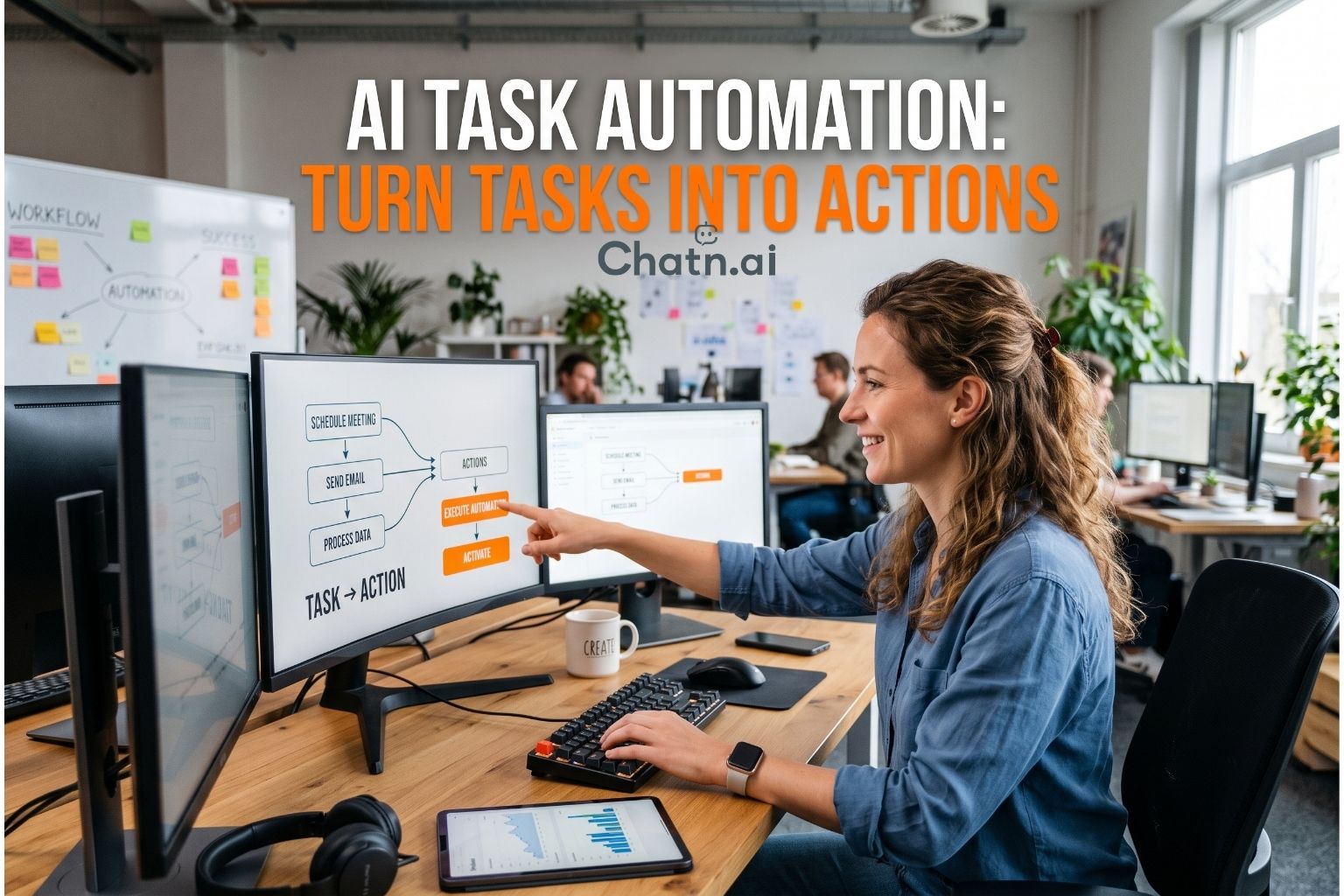
AI agents are transforming the way small businesses handle day-to-day operations by automating routine and time-consuming tasks. From scheduling appointments and managing emails to generating invoices and updating records, these tools take over repetitive work that often slows teams down. As a result, business owners and staff can focus more on strategic priorities rather than getting bogged down by administrative duties. Moreover, automation reduces the risk of human error, improves consistency, and ensures that processes run smoothly and efficiently. In turn, this not only boosts overall productivity but also creates a more organized and stress-free work environment.
Challenges Small Businesses Face When Adopting AI Agents
Initial Setup Costs
While AI agents can lead to significant long-term savings and efficiency gains, the initial setup costs can be a hurdle—especially for small businesses with tight budgets. Implementing AI often requires investing in the right tools, software licenses, and system integrations, which can seem daunting at first. However, it’s important to view these upfront expenses as a strategic investment rather than a sunk cost. Over time, the automation, improved accuracy, and enhanced decision-making powered by AI can deliver a strong return on investment (ROI). In many cases, businesses begin to see measurable improvements in productivity and cost savings that more than justify the initial financial outlay.
Learning Curve and Staff Training
Adopting AI agents often introduces new systems, tools, and workflows that your team may not be familiar with right away. Naturally, this can create a learning curve, especially for employees who aren’t used to working with advanced technology. However, with the right support and training in place, this challenge can quickly turn into an opportunity for growth. By investing time in thorough, hands-on training sessions, businesses can empower their staff to understand how AI works, how to interact with it effectively, and how to apply its features to everyday tasks. As a result, teams become more confident and capable, enabling them to fully harness AI’s potential and contribute to smoother, more efficient operations overall.
Integration with Existing Tools
Many small businesses already depend on a variety of software tools for tasks like accounting, customer relationship management, and communication. When introducing AI agents into the mix, it’s crucial that these new systems integrate smoothly with what’s already in place. Without proper integration, businesses risk workflow disruptions, data silos, or duplicated efforts—issues that can quickly outweigh the benefits of AI. However, when integration is done thoughtfully, the transition becomes much smoother and far less stressful for everyone involved. AI tools that sync seamlessly with existing platforms allow data to flow effortlessly, reduce manual work, and enhance overall efficiency. In the end, this kind of compatibility ensures that businesses can adopt AI without having to overhaul their entire tech stack.
How to Get Started with AI Agents for Your Small Business
Assess Your Business Needs
Start by evaluating your business processes to pinpoint areas where AI can provide the most value. Focus on tasks that are repetitive, time-consuming, or prone to human error. For instance, if your customer service team is overwhelmed with inquiries, implementing AI chatbots could significantly reduce response times and free up resources for more complex issues. Identifying the right pain points to address ensures AI solutions bring measurable improvements to your operations.
Research AI Tools and Vendors
With numerous AI tools available, it’s important to find solutions that align with your business’s unique needs. Look for tools that are specifically designed for small businesses, offering user-friendly interfaces and flexibility. Pay attention to scalability so that the tools can grow alongside your business. Many reputable vendors provide free trials or demos, which allow you to test out the tools before making a financial commitment. Take time to explore various options, read customer reviews, and compare features to ensure you’re selecting the right AI solution.
Start Small and Scale Gradually
To ease the transition and ensure smooth implementation, begin by adopting AI agents for a single process or department. This could be something simple, like automating appointment scheduling, managing customer inquiries, or handling basic data entry. Once you see positive results and the system starts to integrate seamlessly into your business, you can gradually expand AI’s role to other areas, such as marketing, sales optimization, or data analysis. Starting small helps mitigate risk and allows your team to adapt to the new technology at a manageable pace.
The Future of AI Agents in Small Business
Emerging Trends in AI
AI technology is advancing rapidly, with new innovations constantly reshaping the landscape. Trends like generative AI, which can create content or designs autonomously, are changing the way businesses interact with customers and deliver services. Additionally, AI-driven hyper-personalization enables businesses to tailor their offerings to individual customer preferences, enhancing customer satisfaction and loyalty. Advanced data analytics powered by AI allow small businesses to process and analyze vast amounts of data, uncovering actionable insights that can drive smarter decision-making. Staying ahead of these trends is essential for small businesses looking to remain competitive, as they can leverage these technologies to improve efficiency, cut costs, and offer more value to their customers.
The Competitive Advantage of Early Adoption
Adopting AI technology early provides a significant competitive advantage. Small businesses that integrate AI agents into their operations can automate routine tasks, optimize workflows, and deliver superior customer experiences, all of which contribute to improved efficiency and profitability. Early adopters are often seen as innovators, gaining recognition as leaders in their industries. By embracing AI, these businesses position themselves to respond more quickly to market demands, adapt to changing consumer behaviors, and outpace competitors who are slower to adopt new technologies. The ability to stay ahead of the curve can help small businesses not only survive but thrive in an increasingly AI-driven marketplace.
Conclusion
AI agents are transforming the way small businesses operate. By automating tasks, improving customer experiences, and providing actionable insights, they offer tools that help small businesses thrive in competitive markets. While adopting AI requires careful planning and an initial investment, the long-term benefits far outweigh the challenges.
Ready to transform your business? Explore how Chatn.ai’s AI solutions can help you implement AI agents tailored to your needs. Start small, grow smart, and let AI take your business to the next level.