
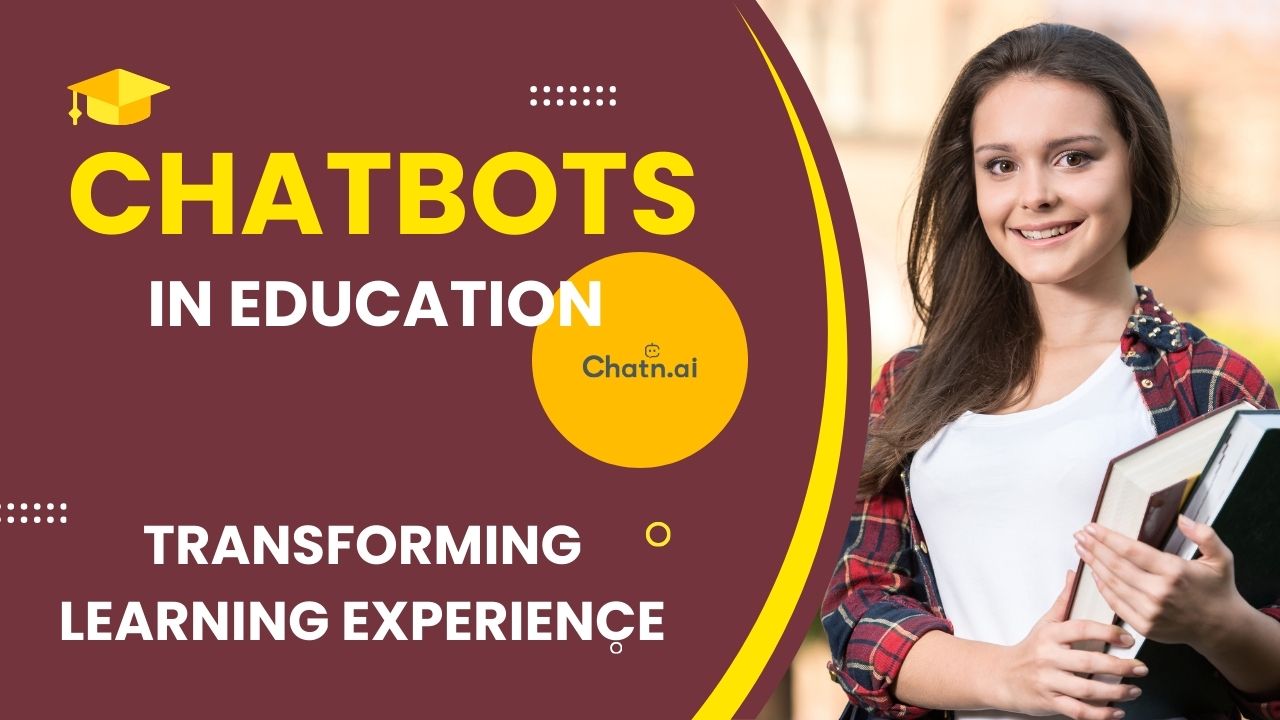
In recent years, chatbots have emerged as a transformative technology in various sectors, including education. These AI-powered tools have the potential to revolutionize how students learn, teachers teach, and educational institutions operate. From personalized learning experiences to administrative efficiency, chatbots are reshaping the educational landscape.
This comprehensive guide explores the role of chatbots in education, their benefits, practical applications, and future trends. By leveraging insights from Chatn.ai, we’ll demonstrate how educational institutions can maximize the potential of chatbots to enhance learning outcomes and operational efficiency.
What Are Chatbots in Education?
Chatbots in education are advanced AI-driven virtual assistants programmed to streamline various learning and administrative tasks. These intelligent tools utilize natural language processing (NLP) to interpret and respond to user queries in a conversational manner, providing an engaging and intuitive experience for students, educators, and administrators alike.
From answering frequently asked questions to grading assignments or even delivering personalized learning materials, chatbots are transforming the education landscape by introducing automation and intelligence into day-to-day operations. They can also assist in scheduling, sending reminders for deadlines, and providing instant access to educational resources, reducing administrative burdens on staff and enhancing the learning journey for students.
By leveraging chatbot technology, educational institutions can improve efficiency, accessibility, and engagement, creating a more dynamic and supportive environment for learners and educators. Chatbots represent a step toward smarter, more connected education systems that cater to the diverse needs of modern learning.
Benefits of Using Chatbots in Education
Integrating chatbots into education unlocks a range of benefits for students, teachers, and administrators, revolutionizing how institutions function. Here are the key advantages:
1. Personalized Learning Support
Chatbots adapt to individual student needs, offering tailored learning experiences. They can analyze a student’s progress, identify areas for improvement, and recommend resources such as quizzes, tutorials, or additional study materials. This personalized guidance helps students learn at their own pace, boosting comprehension and retention.
2. 24/7 Availability
Unlike traditional educators, chatbots are accessible anytime, providing immediate assistance to students regardless of their schedule or location. Whether it’s answering questions about assignments or offering clarifications, this around-the-clock support ensures no student is left waiting for help.
3. Enhanced Administrative Efficiency
Chatbots streamline routine administrative tasks such as course registrations, scheduling, fee inquiries, and reminders. By automating these processes, institutions save time, reduce errors, and allow staff to focus on strategic initiatives that improve educational outcomes.
4. Improved Engagement
Interactive chatbots make learning more dynamic and engaging. By responding in a conversational tone, they help students feel more comfortable asking questions, even on complex topics. This fosters curiosity and boosts participation, leading to a more active learning experience.
5. Cost-Effective Solutions
By automating repetitive tasks, educational institutions can significantly cut operational costs without sacrificing quality. Chatbots provide scalable solutions that reduce the need for extensive administrative staffing while maintaining high levels of service and support.
6. Instant Feedback and Progress Tracking
One of the most powerful benefits of educational chatbots is their ability to deliver instant feedback and track progress in real time. As soon as a student completes a quiz or answers a question, the chatbot can immediately evaluate the response, share personalized feedback, and highlight areas that need improvement. This real-time insight isn’t just helpful for students—it also gives teachers a clear view of individual and class-wide performance without delay. With this ongoing stream of data, educators can adjust lesson plans, offer targeted support, and make smarter decisions to boost learning outcomes. At the same time, students feel more engaged and motivated when they see their progress unfold instantly, making the entire learning experience more interactive and effective.
7. Inclusivity and Accessibility
Chatbots break down barriers to education by supporting multiple languages, accommodating students with disabilities, and offering text-to-speech or speech-to-text capabilities. This makes education more inclusive and accessible to diverse learners.
By addressing both academic and administrative needs, chatbots empower educational institutions to deliver higher-quality experiences while improving efficiency and engagement. They represent a smart, scalable investment in the future of education.
Real-World Applications of Chatbots in Education
Integrating chatbots into education offers transformative advantages for students, teachers, and administrators, reshaping how institutions operate. Here’s how chatbots elevate education:
1. Personalized Learning Support
Chatbots enhance individual learning experiences by adapting to students’ unique needs. By analyzing performance, they can recommend quizzes, tutorials, and resources to address specific challenges. This tailored guidance empowers students to learn at their own pace, improving comprehension and long-term retention.
2. 24/7 Accessibility for Students
Unlike traditional educators, chatbots are available around the clock. Whether answering assignment-related questions, clarifying course materials, or providing reminders, their constant accessibility ensures that students receive instant support anytime, anywhere.
3. Streamlined Administrative Tasks
Chatbots revolutionize school administration by automating time-consuming tasks like enrollment, fee inquiries, attendance tracking, and reminders. This frees up administrators to focus on more strategic priorities, enhancing the institution’s operational efficiency.
4. Boosted Student Engagement
Interactive and conversational, chatbots make learning less intimidating and more engaging. They create a safe space for students to ask questions without hesitation, fostering curiosity and encouraging participation. This dynamic approach makes education more interactive and enjoyable.
5. Cost-Effective Operational Solutions
Educational institutions can significantly reduce overhead costs by automating repetitive tasks with chatbots. Scalable and efficient, they allow schools to allocate resources where they’re needed most, without compromising on the quality of student and administrative support.
6. Instant Feedback and Progress Insights
Chatbots provide immediate feedback on assignments and quizzes, enabling students to track their progress in real time. Teachers can also use these insights to identify performance gaps and adjust instruction, resulting in better learning outcomes for all students.
7. Enhanced Inclusivity and Accessibility
Chatbots bridge the gap for diverse learners, offering multilingual support, text-to-speech capabilities, and tools that accommodate students with disabilities. This inclusivity ensures equal opportunities for all, regardless of background or ability.
8. Faster Onboarding and Orientation
From answering questions about campus facilities to guiding students through orientation, chatbots help new students acclimate quickly. They ensure a smoother transition for first-year students, building confidence from day one.
9. Data-Driven Decision-Making
Chatbots collect and analyze data on student interactions and performance, giving educators and administrators valuable insights. This data can be used to refine teaching methods, improve course materials, and make informed decisions for institutional growth.
10. Fostering Lifelong Learning
Chatbots do more than assist with classroom learning—they actively foster a culture of lifelong growth. By offering personalized recommendations for extracurricular activities, online courses, certifications, and even career guidance, chatbots help students explore interests beyond the standard curriculum. Whether a student wants to learn a new language, dive into coding, or prepare for a future career path, the chatbot can suggest the right resources at the right time. This kind of ongoing support encourages curiosity, builds confidence, and empowers learners to take charge of their personal and professional development. In the long run, it’s not just about passing tests—it’s about preparing students with the real-world skills they’ll carry with them for life.
How Chatn.ai Enhances Chatbot Integration in Education
Chatn.ai specializes in developing advanced chatbot solutions tailored for the education sector. Here’s how Chatn.ai can help:
1. Customizable Solutions
At Chatn.ai, we understand that no two educational institutions are exactly alike—and that’s why we offer fully customizable chatbot solutions tailored to your specific goals. Whether you’re looking to boost student engagement, streamline admissions, simplify administrative workflows, or offer 24/7 academic support, our chatbots can be configured to match your needs and workflows. From language and tone to functionality and integrations, every element can be personalized to reflect your institution’s brand and mission. This flexibility ensures that your chatbot doesn’t just work—it fits seamlessly into your existing systems and delivers real value from day one.
2. Easy Integration
One of the biggest advantages of Chatn.ai’s chatbot solutions is how effortlessly they fit into your existing tech ecosystem. Whether you’re using a popular learning management system (LMS), student information system, or other educational platforms, our chatbots integrate seamlessly—no major overhauls or disruptions required. This smooth integration means students, teachers, and staff can continue using the tools they’re already comfortable with, while benefiting from the added support and automation a smart chatbot provides. From managing assignments and schedules to answering FAQs in real time, everything works together in harmony, creating a unified experience that saves time and boosts productivity across the board.
3. Data Security
At Chatn.ai, we know that trust is everything—especially when it comes to handling sensitive student and institutional data. That’s why we’ve built our chatbot solutions with robust, enterprise-grade security protocols from the ground up. From encrypted data transmission to strict access controls, every layer of our system is designed to protect your information and prevent unauthorized access. We also stay up to date with evolving privacy standards and ensure full compliance with education-specific regulations like FERPA, GDPR, and other regional requirements. With Chatn.ai, you can confidently embrace AI without compromising on security—because keeping your community’s data safe isn’t just a feature, it’s a priority.
4. Scalability
No matter the size of your institution—whether you’re a small private school or a large university—Chatn.ai’s chatbot solutions are built to grow with you. Our technology scales effortlessly to match your needs, handling everything from a handful of daily queries to thousands of simultaneous interactions without missing a beat. As enrollment increases or new programs are added, your chatbot can easily adapt, ensuring consistent performance and reliable support at every stage. There’s no need to worry about outgrowing the system or stretching your staff thin—our solution flexes with your goals, making it a future-ready partner in your digital education journey.
Future Trends in Chatbots for Education
The role of chatbots in education is set to expand further with advancements in AI and machine learning. Here are some trends to watch:
1. AI-Powered Adaptive Learning
Looking ahead, AI-powered chatbots are set to revolutionize education by making learning truly adaptive and personalized. These next-generation bots won’t just respond—they’ll actively learn from each student’s performance, preferences, and pace. As a student moves through material, the chatbot can adjust difficulty levels, suggest targeted resources, or revisit concepts where the learner struggles. This real-time adaptability creates a more supportive, customized experience that keeps students engaged and motivated. Instead of a one-size-fits-all approach, education becomes dynamic—shaped by each learner’s unique journey. With AI at the core, future chatbots will act more like intelligent tutors, helping every student unlock their full potential.
2. Multilingual Support
As education becomes increasingly global, the ability to communicate across languages is no longer optional—it’s essential. Future-ready chatbots are stepping up by offering robust multilingual support, allowing institutions to engage with students from diverse linguistic backgrounds without barriers. Whether a student speaks English, Spanish, Mandarin, or another language entirely, the chatbot can seamlessly switch and respond in the preferred language, creating a more inclusive and welcoming learning environment. This not only enhances accessibility but also helps international students feel seen, supported, and understood. By breaking down language walls, multilingual chatbots empower schools to build stronger connections and deliver a truly global education experience.
3. Emotional Intelligence
As AI continues to evolve, one of the most exciting advancements is its growing ability to understand human emotions. Soon, chatbots will be equipped with emotional intelligence—capable of recognizing cues like frustration, confusion, or excitement through a student’s words or behavior. Instead of offering robotic, one-size-fits-all replies, emotionally intelligent chatbots will respond with empathy and care, adjusting their tone and support based on how the student is feeling. For instance, if a learner seems overwhelmed, the chatbot can offer encouragement, simplify the explanation, or even suggest a short break. This kind of emotional awareness not only enhances the learning experience but also helps students feel truly seen and supported—fostering stronger engagement and emotional well-being in the process.
Best Practices for Implementing Chatbots in Education
To successfully implement chatbots in education, consider these best practices:
1. Define Clear Objectives
Before building or implementing any AI chatbot, it’s crucial to start with a clear purpose. Ask yourself: what specific challenges are you trying to solve? Whether it’s increasing student engagement, streamlining administrative workflows, or providing 24/7 academic support, your goals will shape how the chatbot is designed and deployed. By clearly outlining your objectives from the beginning, you ensure the technology aligns with your institution’s priorities and delivers measurable value. Moreover, having defined goals helps set expectations with stakeholders and provides a roadmap for evaluating success down the line. In short, clarity at this stage saves time, reduces confusion, and lays the foundation for meaningful outcomes.
2. Train the Chatbot
Once your goals are set, the next step is to train the chatbot with the right data. This means feeding it information that’s not only accurate but also relevant to your audience—whether it’s students, parents, or staff. For example, include FAQs, academic policies, enrollment steps, or key campus resources. The more contextual and specific the training data, the better the chatbot can respond with clarity and precision. Additionally, refining its tone and language ensures it communicates in a way that feels natural and supportive. Over time, you can continue improving its performance by reviewing interactions and updating its knowledge base. Ultimately, a well-trained chatbot becomes more than just a tool—it becomes a trusted digital assistant that truly adds value.
3. Test Thoroughly
Before launching your chatbot into the real world, it’s essential to put it through thorough testing. This step helps catch any glitches, confusing responses, or gaps in knowledge that could frustrate users later on. Start by simulating real conversations based on common user scenarios—whether it’s a student asking about deadlines or a parent needing enrollment info. Involve team members from different departments to test for accuracy, tone, and usability. Their feedback can uncover blind spots you might have missed. Additionally, refine the chatbot’s logic and flow based on these tests to ensure interactions feel smooth and intuitive. Taking the time to test carefully upfront not only builds user trust but also sets the stage for a more successful, stress-free deployment.
4. Monitor Performance
Launching the chatbot is just the beginning—continuous monitoring is key to long-term success. Once your chatbot is live, use built-in analytics tools to track how it’s performing. Look at metrics like response accuracy, user satisfaction, common drop-off points, and how often users need human assistance. These insights can reveal what’s working well and where there’s room for improvement. For example, if users frequently ask questions that the chatbot can’t answer, that’s a clear signal to expand its knowledge base. By making data-driven adjustments over time, you can refine its capabilities, boost engagement, and ensure it stays aligned with user needs. In the end, regularly monitoring performance turns your chatbot into a smarter, more helpful assistant with every interaction.
5. Gather Feedback
Even with strong analytics, nothing beats direct input from the people actually using your chatbot. That’s why it’s important to actively encourage feedback from students, staff, and anyone else who interacts with it. Whether through a quick survey, a feedback button, or informal conversations, these insights can shed light on how helpful the chatbot really is—or where it might be falling short. Sometimes users will point out confusing responses or suggest new features you hadn’t considered. This kind of real-world feedback not only helps fine-tune performance but also makes users feel heard and valued. Ultimately, by creating a feedback loop, you foster trust, promote continuous improvement, and ensure the chatbot continues to meet evolving needs.
Conclusion
Chatbots are transforming education by enhancing learning experiences, improving administrative efficiency, and reducing costs. By leveraging advanced solutions like those offered by Chatn.ai, educational institutions can stay ahead of the curve and deliver exceptional value to their students and staff.
The integration of chatbots into education is no longer a luxury—it’s a necessity. As technology evolves, so too will the possibilities for creating smarter, more efficient educational environments. Start your journey with Chatn.ai today and redefine what’s possible in education.