
In today’s fast-paced digital world, AI chatbots have become indispensable tools for businesses seeking to enhance customer engagement, streamline customer service, and drive sales growth. However, not all chatbot platforms are created equal. To truly deliver value, a chatbot must be user friendly—easy to use for both customers and your internal teams. A seamless, intuitive experience can make all the difference in improving customer satisfaction and boosting conversions.
In this guide, we’ll dive into the key features that define a user friendly chatbot, why it’s essential for your business success, and how Chatn.ai can help you implement a chatbot that enhances customer support, reduces operational costs, and drives business efficiency.
What Makes a User Friendly Chatbot ?
A user-friendly chatbot is not just about offering basic responses – it’s a solution that simplifies customer interactions while delivering powerful, behind-the-scenes functionalities. It’s designed to be intuitive, responsive, and easily adaptable to your specific business needs, providing a seamless experience for both users and your team. But what exactly sets a user-friendly chatbot apart from the rest? Let’s explore the essential features that make a top-tier AI chatbot truly effective
Understanding User-Friendliness in Chatbots
When we talk about a “userfriendly chatbot,” we’re referring to more than just a tool for handling customer inquiries. A user-friendly chatbot is a powerful solution that combines cutting-edge technology with an effortless user experience, both for the customer and the business.
At its core, a user-friendly chatbot leverages Natural Language Processing (NLP) to interpret and respond to customer queries in a way that feels natural, intuitive, and conversational. Rather than relying on rigid, pre-programmed responses, NLP allows the chatbot to understand the nuances of human language—detecting intent, deciphering context, and adapting to different conversation styles. This capability is crucial in making interactions feel seamless and human-like, fostering trust and satisfaction in customers.
However, the true strength of a user-friendly chatbot lies not only in its ability to communicate effectively but also in its simplicity of implementation and management. Businesses should be able to set up, customize, and manage the chatbot without needing a deep technical background. Whether a small business or a large enterprise, companies should be able to deploy the chatbot quickly and make adjustments in real-time as customer needs evolve, all without the need for specialized IT support.
Key Features of a User-Friendly Chatbot
To deliver the best customer experiences, a user-friendly chatbot must go beyond basic functionality. It should provide an intuitive, responsive, and customizable solution that integrates seamlessly into your business operations. Below, we explore the key features that set a truly user-friendly chatbot apart and how they contribute to better customer engagement, efficiency, and overall business success.
1. Intuitive Interface
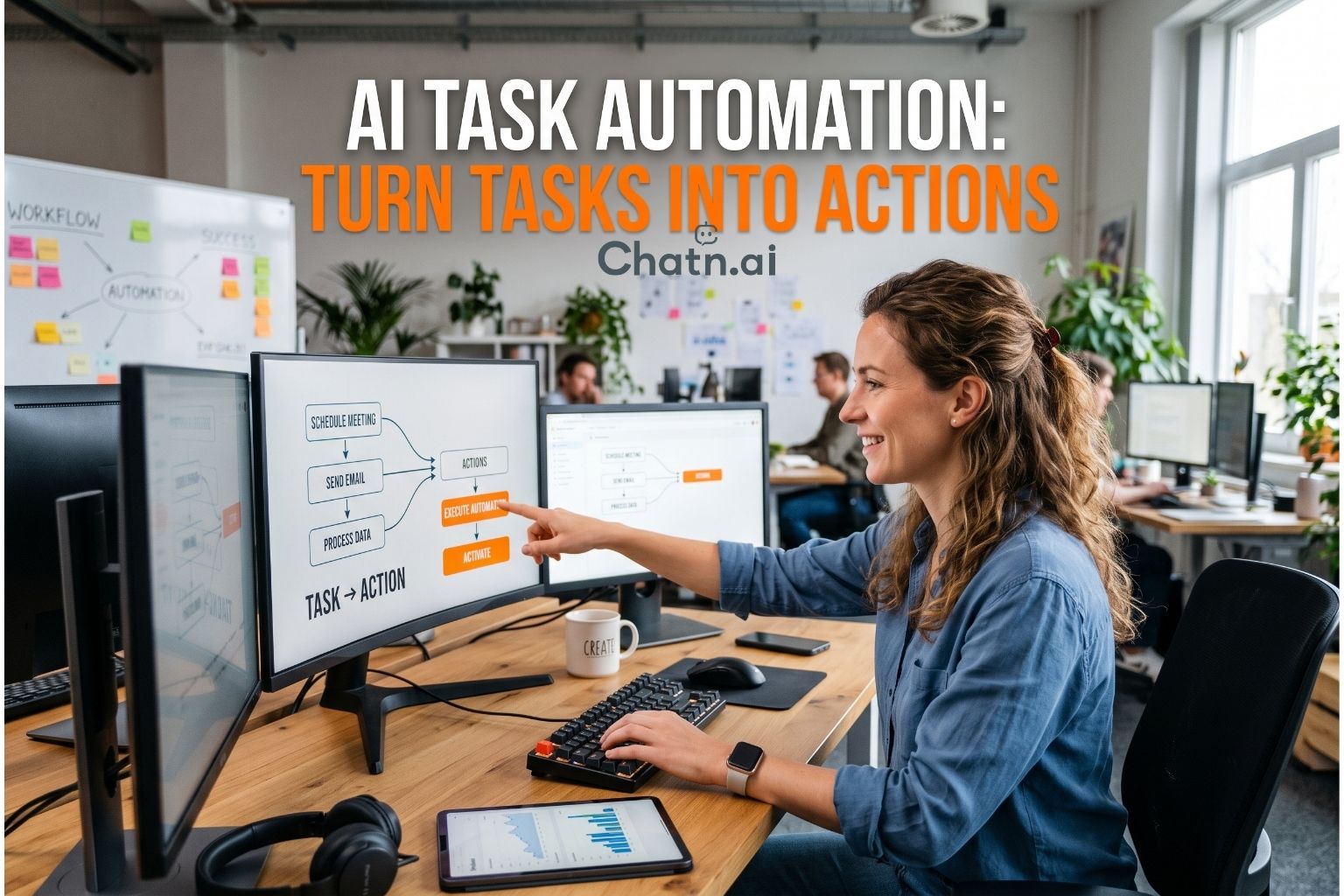
A user-friendly chatbot should be designed for simplicity, allowing even non-technical team members to easily create, manage, and customize chatbot workflows. Look for drag-and-drop interfaces that allow you to build conversational flows without needing to write code. A visual flow builder paired with clear, step-by-step instructions can guide users through the setup process effortlessly. This means your team can quickly deploy or modify the chatbot, making it adaptable to real-time business needs. The ability to make changes on the fly, such as adding new responses or integrating new customer data points, ensures the chatbot remains relevant as your business evolves.
2. Advanced Natural Language Processing (NLP)
At the heart of any intelligent user friendly chatbot is Natural Language Processing (NLP), a crucial feature that enables the bot to understand and process human language. But it’s more than just understanding basic queries—advanced NLP allows the chatbot to interpret slang, colloquialisms, regional dialects, and even sentiment, making interactions with customers feel more natural and personalized. Whether your customers use casual language, industry-specific jargon, or mixed languages, a robust NLP engine will ensure that the chatbot can decipher meaning, understand intent, and respond appropriately. This leads to more meaningful, human-like interactions that keep customers engaged and satisfied.
3. Multi-Platform Integration
Customers engage with brands across multiple platforms—websites, social media, mobile apps, and messaging services like WhatsApp or Facebook Messenger. A user-friendly chatbot should be versatile enough to seamlessly integrate across all these platforms, offering consistent support and service wherever your customers are. This cross-platform functionality is crucial for maximizing the chatbot’s reach and ensuring that customers can access help or information anytime, anywhere. Additionally, integration with CRM systems, email marketing platforms, and eCommerce tools helps create a unified experience, allowing the chatbot to pull and push data from existing systems for a more personalized approach.
4. Customization and Personalization
Every business has unique needs, and a one-size-fits-all chatbot approach doesn’t cut it. A truly user-friendly chatbot allows for deep customization, enabling businesses to tailor responses, workflows, and functionalities to meet their specific requirements. From setting custom greetings and triggers to designing industry-specific workflows, this flexibility ensures that your chatbot delivers relevant, targeted responses. Furthermore, personalization features, like addressing customers by name, recalling past interactions, or suggesting products based on preferences, can significantly enhance the user experience and lead to higher conversion rates.
5. Instant Responses and Real-Time Support
Speed is essential in customer support, and one of the key advantages of chatbots is their ability to deliver instant responses. A user-friendly chatbot provides real-time answers to customer queries, resolving issues promptly without making users wait for human intervention. This is particularly important in industries like eCommerce and travel, where customers expect quick assistance. By automating routine tasks such as answering FAQs, booking appointments, or processing orders, chatbots can reduce wait times, improve customer satisfaction, and free up human agents to handle more complex queries.
6. Continuous Learning and Improvement
The most effective chatbots aren’t static—they continuously learn and evolve. With every customer interaction, user-friendly chatbots analyze conversation patterns, customer feedback, and common pain points to improve future responses. Powered by machine learning, these chatbots become smarter over time, refining their ability to understand intent, provide accurate answers, and anticipate customer needs. This ongoing learning helps create a more dynamic, adaptable chatbot that can stay in tune with shifting customer behaviors, making them more efficient and accurate over time.
7. Scalability and Flexibility
A user-friendly chatbot must be scalable to meet the demands of your growing business. Whether you’re handling hundreds or thousands of conversations daily, the chatbot should be able to manage this workload without compromising performance. Scalability also applies to the chatbot’s functionality—you should be able to expand its capabilities as your business grows. For instance, a business might initially use the chatbot for customer service but later extend it to handle sales inquiries, lead generation, or internal support. A flexible chatbot ensures your investment continues to deliver value as your business requirements evolve.
8. Comprehensive Analytics and Reporting
To maximize the value of your chatbot, it’s essential to have access to detailed analytics and reporting tools. These insights enable businesses to track the chatbot’s performance, understand customer behavior, and identify areas for improvement. For instance, you can monitor metrics like response times, user satisfaction scores, and frequently asked questions. Armed with this data, businesses can continuously optimize their chatbot, adjust its workflow, and better align it with customer needs and preferences. This makes the chatbot not just a reactive tool but a proactive element of your overall business strategy.
Why Businesses Need a User-Friendly Chatbot
Now that we understand the features of a user-friendly chatbot, it’s crucial to explore why this aspect matters for your business. In an increasingly competitive market, offering exceptional customer experiences can be the difference between retaining customers and losing them to competitors. Beyond improving customer satisfaction, a user-friendly chatbot can streamline business operations and drive significant long-term benefits
Enhancing Customer Experience
A user-friendly chatbot plays a pivotal role in elevating the overall customer experience. It provides customers with instant support, answers to common questions, and guidance through your website or service offerings, all while making their journey more efficient and enjoyable. By simplifying interactions and offering quick solutions, a well-designed chatbot can reduce frustration and ensure that customers leave with a positive impression of your brand.
For instance, imagine a small eCommerce business that implemented a chatbot to handle inquiries related to product availability, order tracking, and return policies. By opting for a chatbot that was intuitive and user-friendly, the business saw a 40% reduction in support ticket volume and a 20% increase in customer satisfaction. This improvement occurred because customers were able to receive timely answers without the need for lengthy wait times, which not only simplified their experience but also contributed to better customer retention.
Furthermore, user-friendly chatbots provide a personalized experience by remembering previous interactions, suggesting relevant products, or even addressing customers by their first name. These small touches can significantly improve customer satisfaction and loyalty, transforming casual visitors into long-term advocates for your brand. Consistency across multiple platforms—such as websites, social media, and messaging apps—ensures that the chatbot experience is seamless, regardless of how customers choose to engage with your business.
Improving Workflow Efficiency
A chatbot that’s easy to use doesn’t just benefit customers; it also has a profound impact on your internal workflow efficiency. By automating routine tasks like answering FAQs, processing orders, booking appointments, or assisting with product recommendations, your team is freed from repetitive, low-value tasks. This allows them to focus on more complex customer inquiries that require human expertise, thereby increasing productivity and improving overall service quality.
The impact of this efficiency can be significant. For example, a medium-sized business that uses a user-friendly chatbot to automate customer service interactions may see a dramatic reduction in response times. This not only enhances the customer experience but also improves operational efficiency by reducing the number of customer issues that escalate to human agents. In addition, this type of automation can lead to cost savings by reducing the need for a large support team and reallocating resources to more strategic areas of the business.
For businesses with seasonal fluctuations—such as retailers during the holiday season or travel companies during peak vacation times—a user-friendly chatbot can handle sudden spikes in inquiries without overwhelming your human staff. This scalability ensures that your business can maintain high-quality service year-round, regardless of demand.
Boosting Sales and Conversions
An often overlooked but crucial benefit of a user-friendly chatbot is its ability to directly influence sales and conversions. Chatbots can proactively engage customers, recommend products based on their browsing behavior, or assist in completing the checkout process, making it easier for users to make purchasing decisions. In fact, chatbots equipped with personalization capabilities can deliver tailored offers or upsell products, increasing the likelihood of a sale.
For instance, a chatbot for a fashion retailer can guide customers through product catalogs, suggest complementary items, and even assist with size or style questions—all in real-time. By offering instant, helpful responses, the chatbot can prevent potential buyers from leaving the site due to confusion or a lack of information, significantly boosting conversion rates.
Moreover, a user-friendly chatbot can help capture leads by collecting customer data through conversational interactions. When potential customers ask questions about your services or products, the chatbot can gather contact information, enabling follow-up through email marketing or sales outreach. This feature helps businesses nurture leads and convert casual browsers into loyal customers.
Scaling Customer Support with Ease
As your business grows, the volume of customer inquiries and requests will naturally increase. A user-friendly chatbot provides an ideal solution for scaling customer support efficiently without the need for large support teams. By handling high volumes of routine queries—whether it’s answering product questions, tracking orders, or providing booking assistance—the chatbot can manage peak times without slowing down or compromising quality.
This scalability is particularly useful for companies experiencing rapid growth or those expanding into new markets. A chatbot can offer support in multiple languages, extend service hours to 24/7 availability, and provide a consistent level of service across regions. This makes the chatbot a scalable asset that grows alongside your business, offering a seamless experience for both new and existing customers.
Strengthening Brand Consistency and Accessibility
Brand consistency is essential for building trust and loyalty with customers, and a user-friendly chatbot can play a key role in maintaining that consistency. By ensuring that customers receive the same high-quality responses and interactions—no matter where or when they engage with your brand—you create a cohesive brand experience that resonates across platforms.
In addition, a user-friendly chatbot makes your business more accessible. Customers no longer need to wait in long support queues or navigate through complex contact forms to get the answers they need. Instead, they can receive instant help, whether they’re on your website, social media pages, or messaging apps. This enhanced accessibility can dramatically improve customer satisfaction and position your brand as responsive, helpful, and customer-centric.
How to Choose the Right User-Friendly Chatbot for Your Business
Selecting a chatbot can feel overwhelming given the myriad of options available. However, by focusing on user-friendliness, you can narrow down your choices to those that will truly benefit your business.
Evaluate Your Business Needs
Start by identifying your business requirements. What do you want the chatbot to achieve? Are you looking to automate customer support, capture leads, provide product recommendations, or facilitate bookings? Having a clear understanding of your goals will help you identify the features you need in a user-friendly chatbot.
Create a checklist that includes:
- Primary use case (e.g., customer support, sales, lead generation).
- Integration requirements (e.g., website, social media, CRM).
- Desired level of customization.
- Expected interaction volume (to gauge scalability needs).
Look for Essential Features of User-Friendliness
When evaluating chatbot options, focus on the features discussed earlier. For instance, if you need a chatbot for customer support, prioritize options that offer robust NLP capabilities and instant responses. If multi-platform integration is crucial, ensure the chatbot can connect seamlessly with your website, social media profiles, and messaging apps.
Conduct a comparison of different chatbot providers, weighing how each aligns with the concept of “user-friendliness.” Keep an eye on aspects like setup ease, customizability, and the ability to learn from interactions. Your chosen chatbot should not only meet your immediate needs but also adapt as your business grows.
Test Before Implementation
Before fully committing to a chatbot solution, take advantage of free trials or demos. Testing allows you to experience firsthand how user-friendly the chatbot is for both your team and your customers. Ensure that setup is straightforward and that the chatbot can handle typical customer interactions effectively.
Chatn.ai – A Leader in User-Friendly Chatbots
When it comes to user-friendly chatbots, Chatn.ai stands out as a leader in the market. Our platform is designed with businesses in mind, offering an intuitive interface, powerful NLP, and extensive customization options—all in one package.
What Makes Chatn.ai Stand Out?
- Simplicity: Chatn.ai’s drag-and-drop interface makes creating and customizing chatbots a breeze. You don’t need any coding skills to set up your chatbot workflows and integrations.
- Advanced NLP: Chatn.ai leverages state-of-the-art Natural Language Processing to provide accurate, human-like responses, ensuring customers feel understood and valued.
- Seamless Integration: Whether you need to connect your chatbot to a website, social media channel, or CRM system, Chatn.ai offers smooth integration options to keep your operations running efficiently.
- Customizable: Our chatbot allows you to tailor its functionality to fit your business, from customizing responses to integrating with various platforms and tools.
How Chatn.ai Enhances User Experience
At Chatn.ai, we believe that a user-friendly chatbot is key to boosting customer engagement and satisfaction. Our clients have reported a 30% increase in lead conversions and a 50% reduction in customer support costs after implementing our chatbot solution. By providing instant, natural interactions and learning from each engagement, Chatn.ai continually improves its performance to serve your business better.
Getting Started with a User-Friendly Chatbot Today
Implementing a user-friendly chatbot doesn’t have to be a daunting task. With Chatn.ai, you can get started in just a few steps:
- Sign up for a free trial: Experience Chatn.ai’s user-friendliness firsthand.
- Set up your chatbot: Use our drag-and-drop interface to create custom workflows tailored to your business needs.
- Integrate with your platforms: Connect your chatbot to your website, social media channels, and CRM for seamless customer interactions.
- Monitor and optimize: Analyze your chatbot’s performance and fine-tune it to enhance customer experiences.
Conclusion: A User-Friendly Chatbot – Your Business’s Competitive Edge
In today’s fast-paced business world, customer expectations are higher than ever. Implementing a user-friendly chatbot can be the key to providing exceptional customer support, improving operational efficiency, and gaining a competitive edge. By focusing on the features that matter—like NLP, customization, and ease of use—you can ensure your chatbot meets both your business’s and your customers’ needs.
Chatn.ai offers an intuitive, powerful solution that embodies user-friendliness. By choosing Chatn.ai, you’re not just getting a chatbot; you’re investing in a tool that will help your business grow, streamline operations, and enhance customer experiences. Ready to take the next step? Try Chatn.ai’s user-friendly chatbot today and transform the way you engage with your customers.